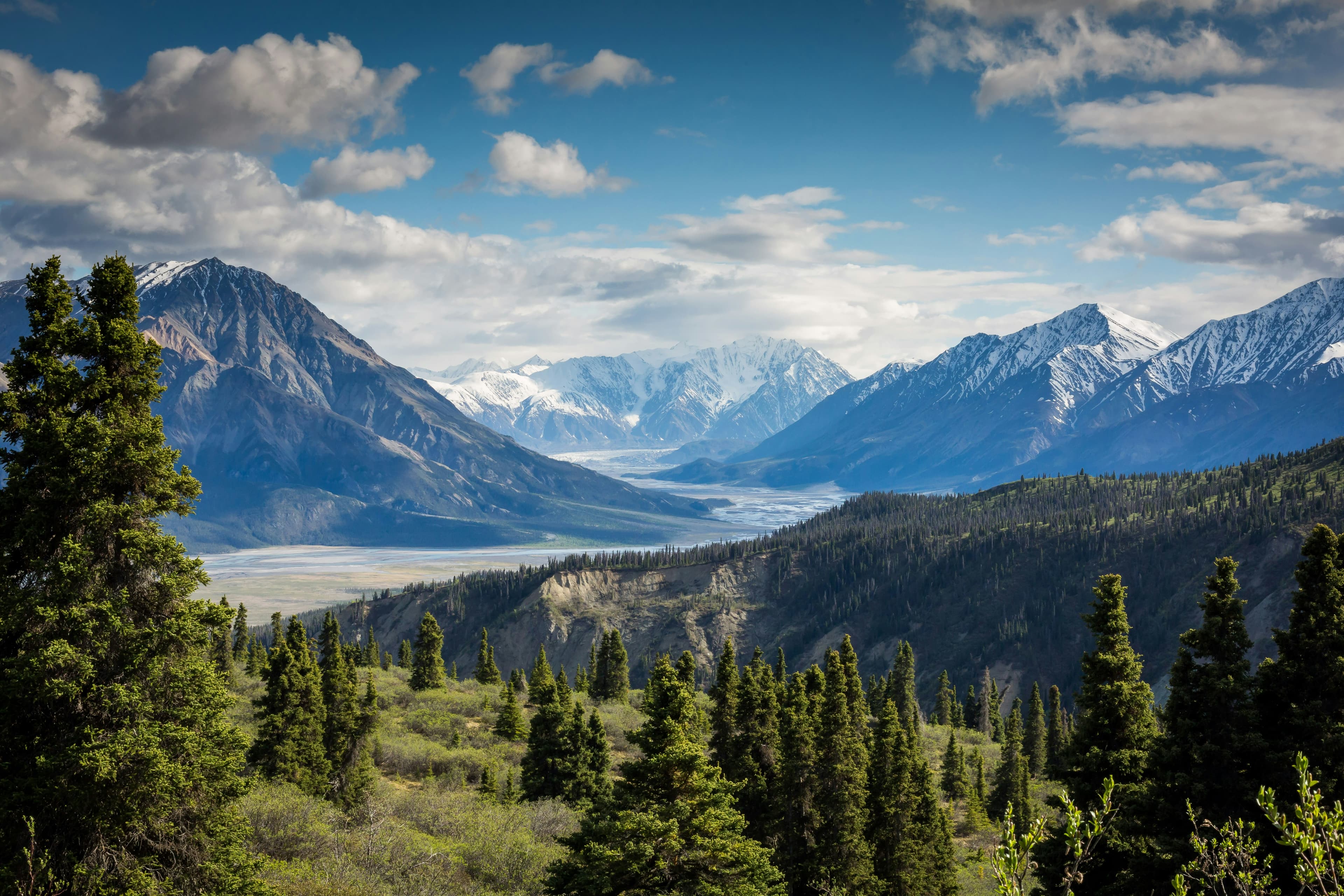
Wildlife corridors connect fragmented habitats and allow species to move freely across landscapes.
A wildlife corridor is any stretch of habitat that connects two or more larger areas of natural land, allowing animals to move between them for feeding, breeding, and seasonal migration. In a landscape increasingly fragmented by roads, fences, and development, these corridors have become essential to the long-term survival of wide-ranging species like elk, mule deer, pronghorn, mountain lion, and grizzly bear. A ranch positioned within or adjacent to an active corridor is not just ecologically significant — it is genuinely rare.
Identifying a corridor on a property requires looking beyond the land itself. The key question is not what animals are present, but where they are going and why. Properties that sit between national forests, wilderness areas, or large blocks of private conservation land are natural corridor candidates. Review topographic maps for terrain features — river drainages, passes, benches above cliff bands — that funnel animal movement. Talk to neighboring landowners and local wildlife biologists. And pay attention to fence lines: a ranch with wildlife-friendly fencing infrastructure, or one where the existing fences could easily be modified, has a significant advantage.
Corridor value shows up in land pricing in meaningful ways. Properties that have been formally identified as part of a regional connectivity study, or that hold conservation easements with corridor protection language, are increasingly sought by buyers who understand the long-term trajectory of wildlife management in the West. As habitat fragmentation continues to increase pressure on migratory populations, the ranches that provide the connective tissue between protected areas will only become more strategically important.
There are also financial tools available to landowners willing to formally protect corridor habitat. Several regional land trusts and conservation organizations actively seek corridor easements and can provide both financial compensation and significant tax benefits in exchange for restrictions that protect movement. For landowners thinking about the legacy of their property, participating in corridor conservation can be one of the most meaningful and economically sensible decisions they make.