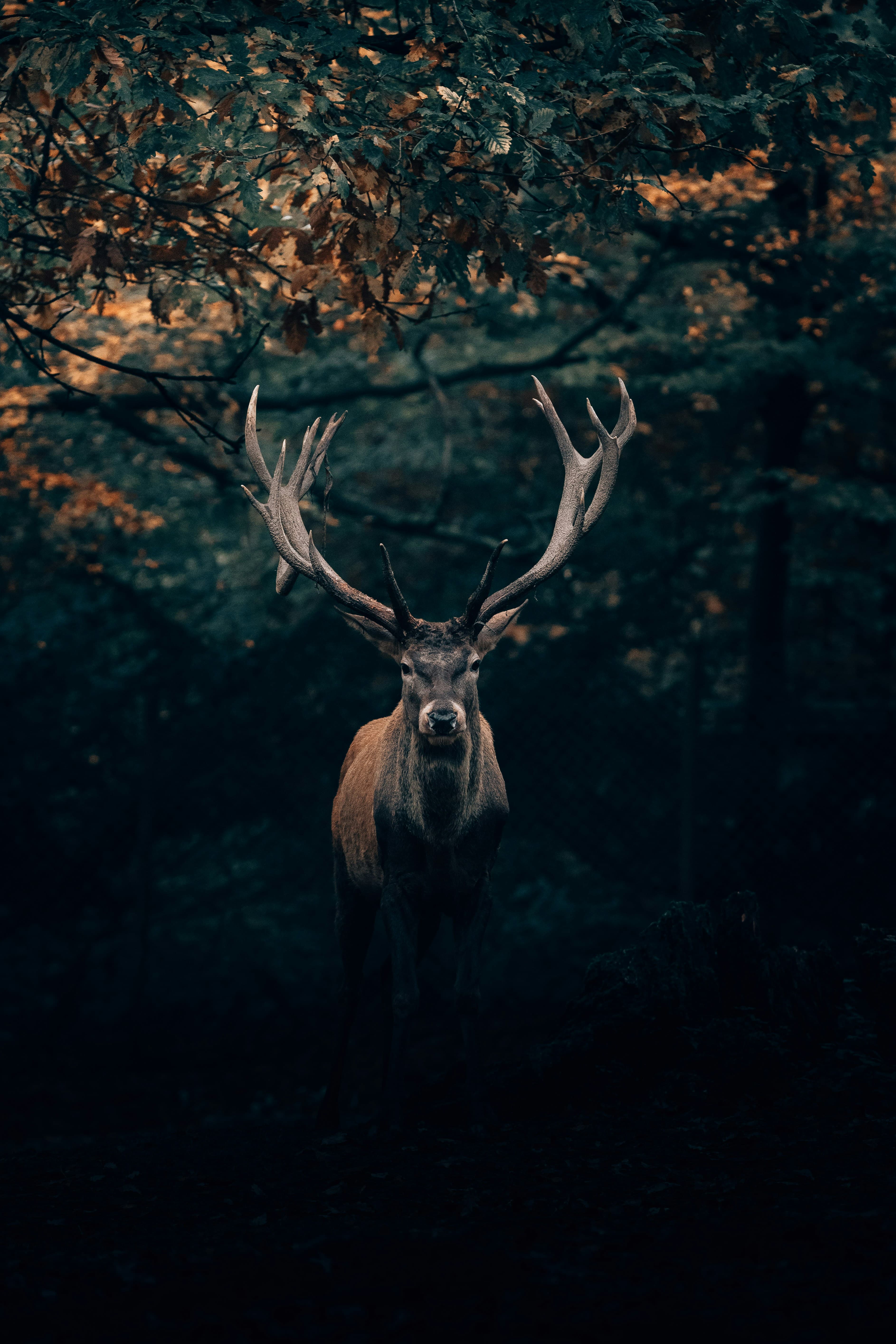
A thriving resident elk herd isn't just a wildlife achievement — it can add significant value to a ranch property.
In the Western ranch market, few features add value as reliably as a thriving resident elk herd. A property with documented trophy bulls, stable cow-calf ratios, and year-round occupancy can command a premium of 20 to 40 percent over comparable acreage without that wildlife presence. The reason is straightforward: serious buyers understand that quality elk habitat takes decades to develop and cannot be manufactured. When you find it, you pay for it.
The foundation of elk habitat is forage, water, and thermal cover — and all three need to be present in the right proportion. Nutritious native grasses and forbs produce the protein elk need to grow antler mass and maintain body condition through harsh winters. A reliable water source within reasonable travel distance of bedding areas is non-negotiable. And thermal cover — dense timber, canyon walls, or north-facing slopes that hold snow and shade in summer — allows elk to conserve energy and avoid predator pressure. Ranches that check all three boxes consistently hold elk at higher densities than surrounding public land.
What distinguishes a merely good elk ranch from an exceptional one is often genetics and age structure. A property managed with low harvest pressure, selective culling, and minimal human disturbance will develop a population of older bulls — the animals that drive both trophy records and leasing income. Buyers conducting due diligence should ask for harvest records, trail camera inventories, and any available population surveys. These documents tell a more honest story than any listing photograph.
Active management can meaningfully improve elk habitat on properties that have been underperforming. Prescribed burns, water development projects, invasive species control, and strategic fencing to rotate grazing pressure have all been shown to increase both elk density and trophy quality within three to five years. For buyers willing to invest in management, a ranch with underutilized habitat potential can represent one of the better value opportunities in the current market.