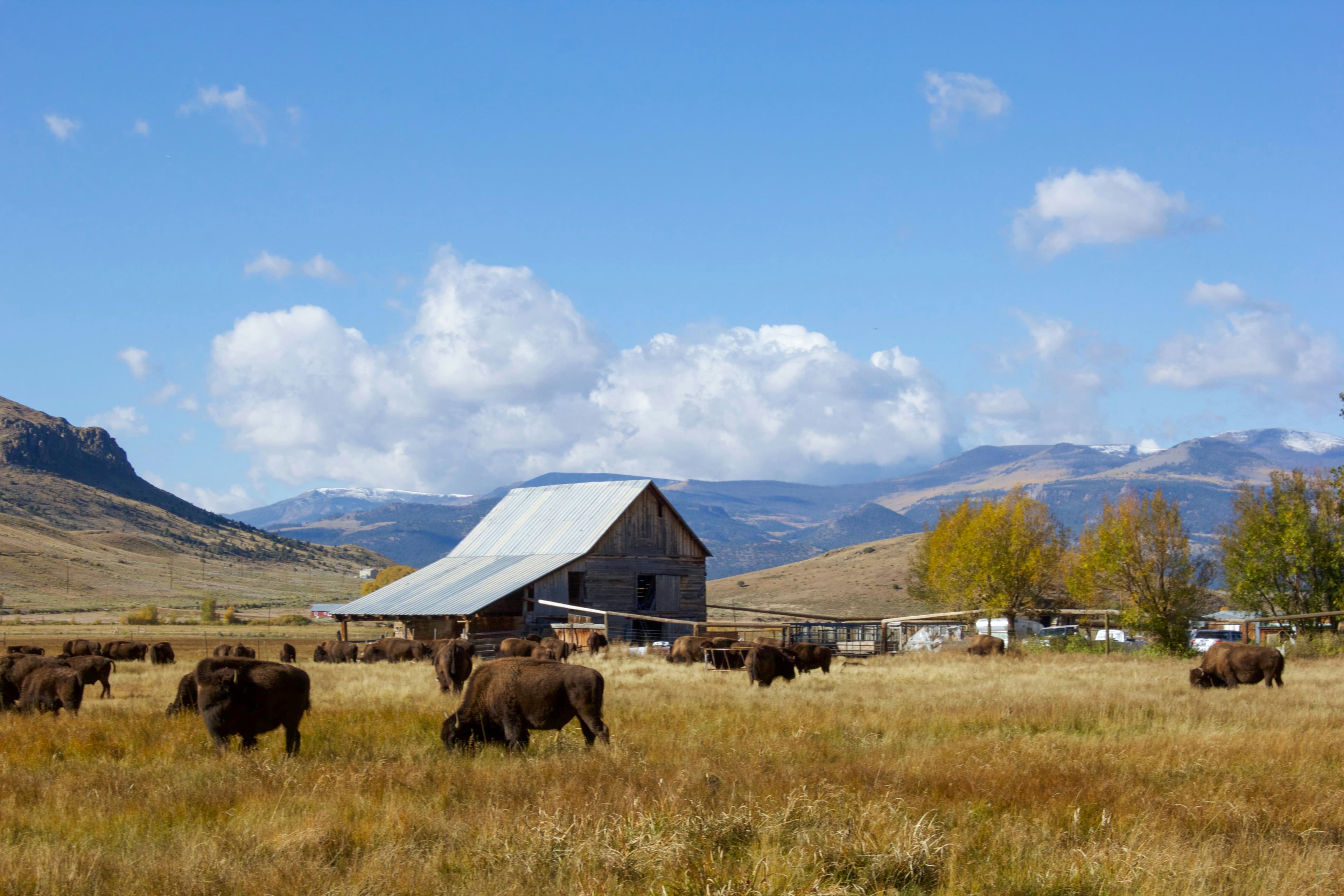
Conservation easements can offer significant tax benefits while permanently protecting habitat.
A conservation easement is a voluntary legal agreement between a landowner and a qualified land trust or government agency, in which the landowner permanently restricts certain types of development or use on their property in exchange for compensation — financial, tax-related, or both. The land remains in private ownership and can be sold, inherited, or leased in the normal way. What transfers is a set of rights: typically the right to subdivide, develop, or convert the land to incompatible uses. Everything else stays with the owner.
The tax implications of a donated conservation easement can be substantial. Under current federal law, a landowner who donates an easement to a qualified organization may deduct the appraised value of the donated rights from their federal income taxes, up to 50 percent of their adjusted gross income per year, with a fifteen-year carryforward for unused deductions. Qualifying farmers and ranchers — those who earn more than half their income from farming — may deduct up to 100 percent of AGI. Estate tax benefits are equally significant: land encumbered by a conservation easement is valued for estate purposes at its restricted value, which can dramatically reduce the taxable estate for large landholdings.
Not all easements are created equal. The terms of an easement determine what the land can and cannot be used for in perpetuity, so it is essential that the restrictions align with the landowner's own vision for the property. A well-structured easement protects wildlife habitat and open space while still allowing ranching, hunting, fishing, and reasonable residential use. A poorly structured one can constrain legitimate management activities and create conflicts with future owners. Engaging an experienced conservation attorney — not just the land trust's staff — before signing anything is strongly advised.
For buyers, an existing conservation easement on a target property requires careful due diligence. Review the easement document in full, understand what is and is not permitted, and confirm the monitoring history with the holding land trust. Easements held by reputable organizations with strong financial positions and active stewardship programs are generally a positive attribute. Those held by smaller or less-resourced trusts warrant more scrutiny. When structured thoughtfully, a conservation easement is one of the most powerful tools available for protecting the character of Western ranch land across generations.